Ponte de Lima, Portugals Oldest Town
For over two millennia, the Lima River has served as a vital thoroughfare for Romans, merchants, pilgrims, and travelers. With its ancient bridge, shaded riverside promenades, noble manor houses, centuries-old festivals, and deep-rooted traditions, Ponte de Lima remains one of Minho’s most rewarding day trips.
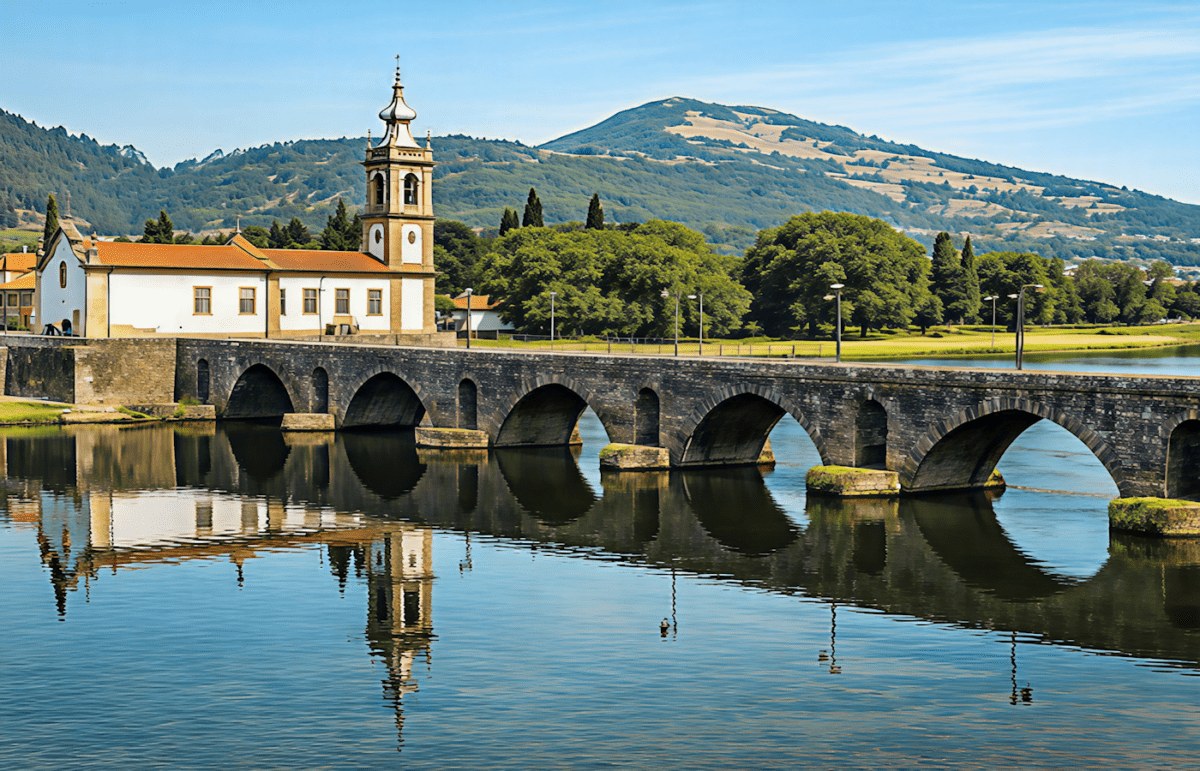
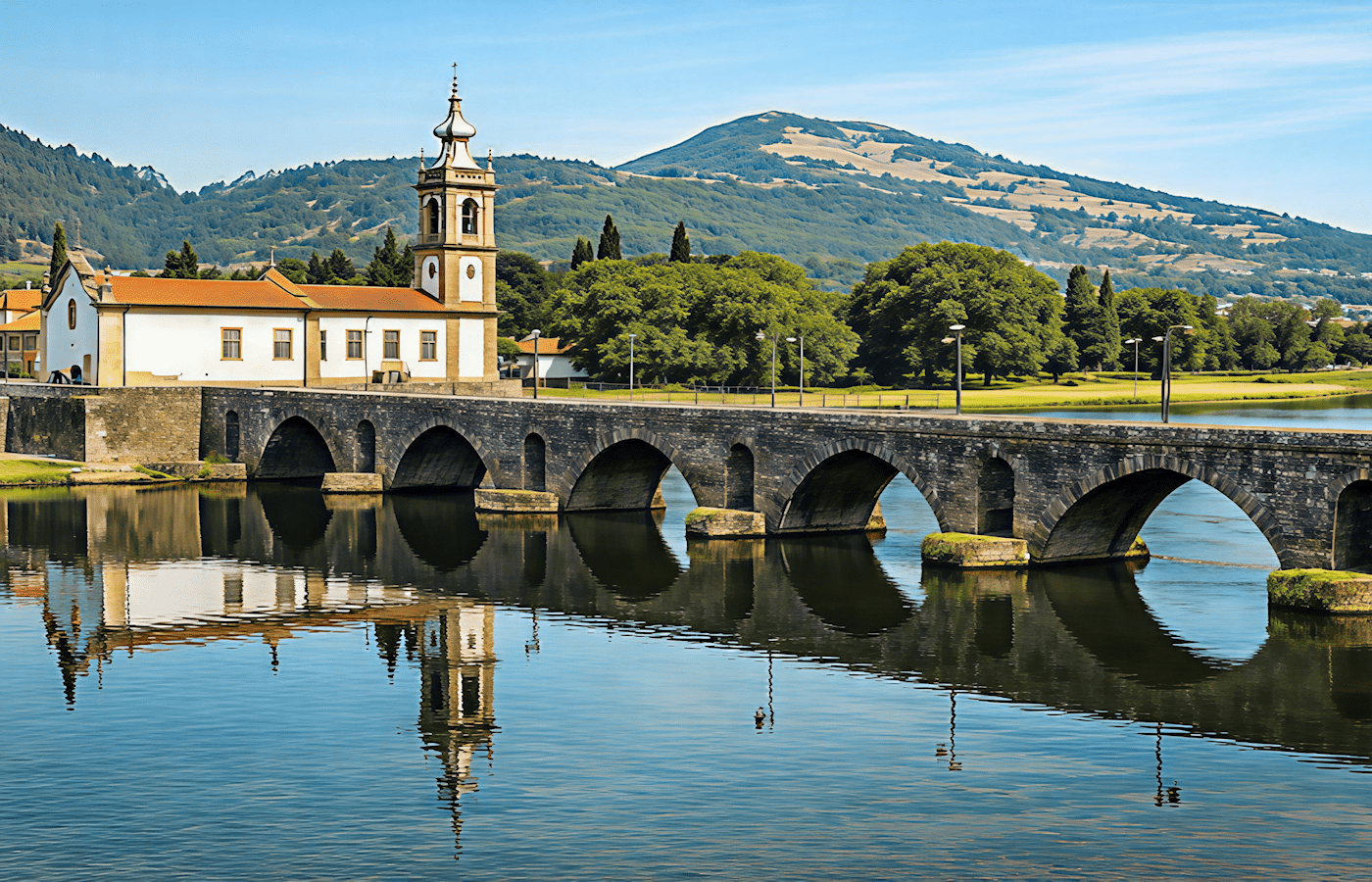
Ponte de Lima’s iconic bridge, spanning the Lima River, remains the enduring symbol of Portugal’s oldest town
Named after its bridge, Ponte de Lima formed part of the Roman road from Braga to the northwestern Iberian Peninsula and later became an important section of the Portuguese Way to Santiago de Compostela. Roman foundations and medieval defenses still shape the town today.
Parking
Museu dos Terceiros
Tower Cadeia Velha (Azulejo)
Paço do Marquês
Igreja matriz de Santa Maria (Azulejo)
Torre de São Paulo (Azulejo)
R. Formosa (Azulejo)
Largo de Camões
Casa da Nossa Senhora da Aurora
Casa da Garrida
Igreja de Santo António da Torre Velha (Azulejo)
Monument of General Brutus
Avenida dos Plátanos
Mercado (Azulejos)
ADVERTISEMENT
Legend of the Lima
The Lima River carries one of northern Portugal’s most enduring legends. Rooted in ancient stories of memory and forgetfulness, it reflects a deeply human fear of crossing into the unknown and losing who we are.
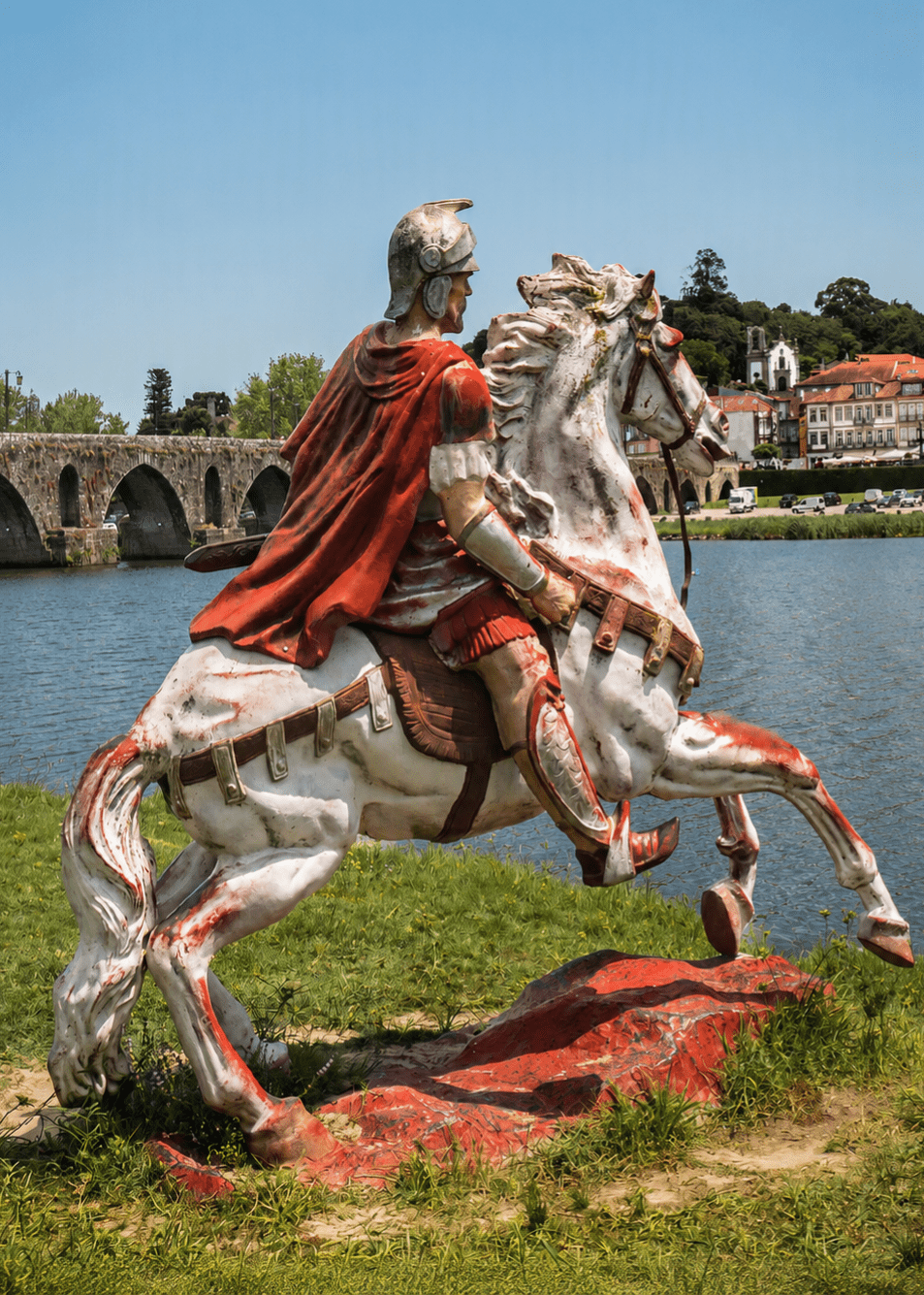
General Brutus’ victory over fear and folklore at the Lima River
The Ancient Belief
In Greek mythology, two rivers were tied to the belief in reincarnation. One was the River of Memory, the other the River of Forgetfulness. If you drank from the River of Forgetfulness (Lethe / Lima), you would lose all memory of your past life.
The Celtic Legend
A legend tells of Celtic tribes who crossed the Lima, fell into disorder, lost their leader, and forgot their journey. This cemented the river’s reputation as a place where memory could be lost, long before the Romans arrived.
The Crossing
When Roman armies reached the Lima, they feared it was the River of Forgetfulness. The soldiers refused to cross. Only when Brutus crossed the river and called each soldier by name from the opposite bank did the army follow.
Riverside Walk and Old Town
As Portugal’s oldest town, Ponte de Lima is the perfect place to wander. Its historic center is seamlessly woven along the banks of the Lima River, offering a compact, pedestrian-friendly layout that invites discovery. Anchored by its iconic Roman bridge, the town draws visitors from the water’s edge into a labyrinth of charming, centuries-old streets.
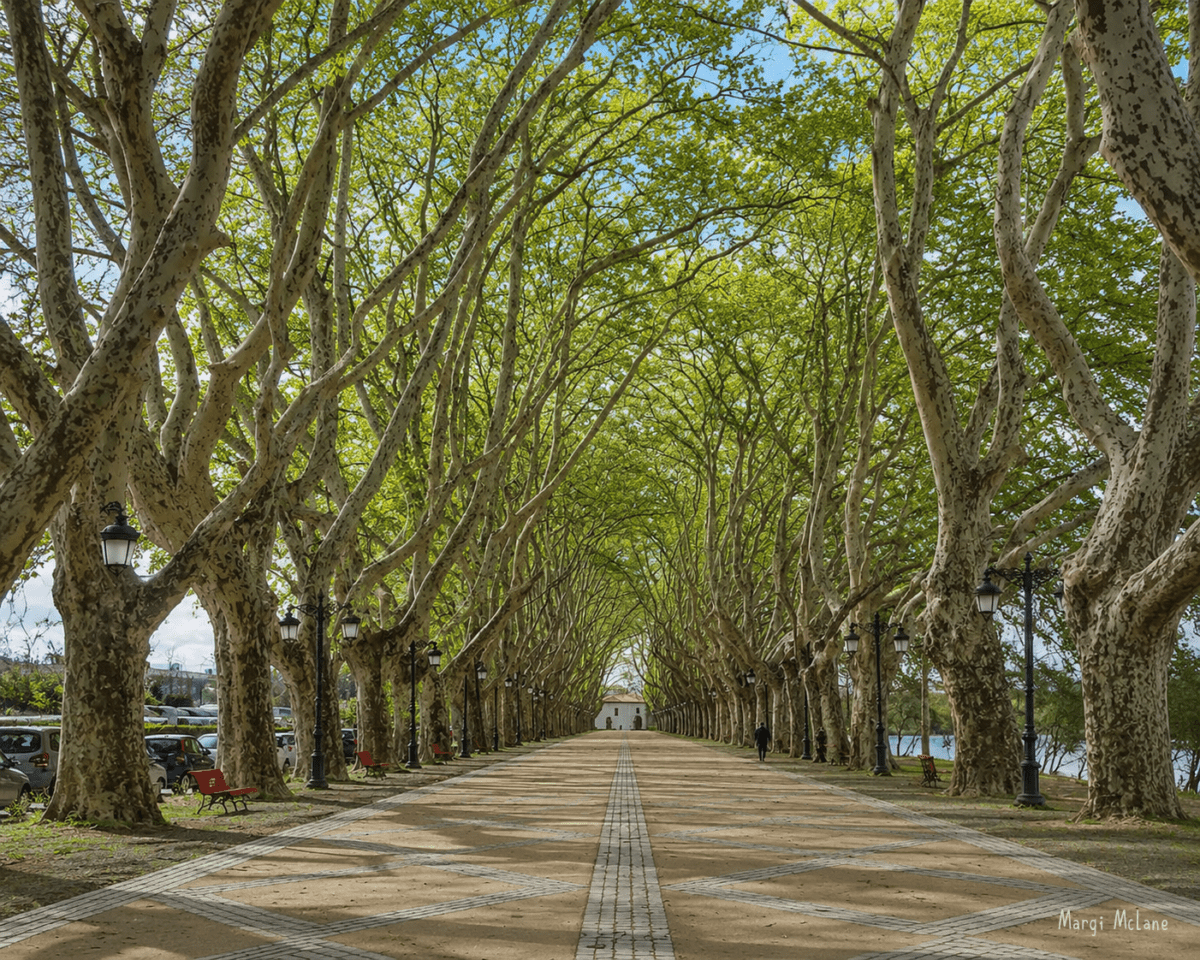
Avenida dos Plátanos
A popular walk in Ponte de Lima is Avenida dos Plátanos (Plane Tree Avenue), where locals come to walk, meet friends, and enjoy the riverfront. This broad riverside promenade is lined with towering London plane trees. These large deciduous shade trees are known for their broad canopies and distinctive mottled bark. Planted more than a century ago, they create a cool, leafy tunnel along the river and have become one of the avenue’s defining features. The promenade also offers beautiful views of the river, bridge, and historic center.
Old Town and Medieval Defenses
Ponte de Lima’s historic center is compact and easy to explore, with granite buildings, churches, narrow streets, and charming squares such as Largo de Camões, where cafés and local shops make it the perfect place to stop for coffee, lunch, or a sweet treat. It is also one of the best places in town for people watching, with a lively mix of locals and visitors bringing the square to life. Traces of the town’s medieval defenses remain visible throughout, including Torre Velha, often called the Tower of River Tolls, which once guarded access to the bridge and served as a checkpoint where tolls were collected from merchants, travelers, and pilgrims crossing the river.
Azulejo Scavenger Hunt
As you explore the historic center, try to spot the azulejo panels featured along the Rota dos Azulejos (Tile Route). These decorative ceramic tiles are a defining feature of Portuguese art and architecture. They were used not only for decoration but also to tell stories. In Ponte de Lima, the panels depict local legends, religious traditions, market life, and important moments from the town’s history. Together, they add another layer of cultural heritage to the walking experience.

ADVERTISEMENT
Festivals and Local Traditions
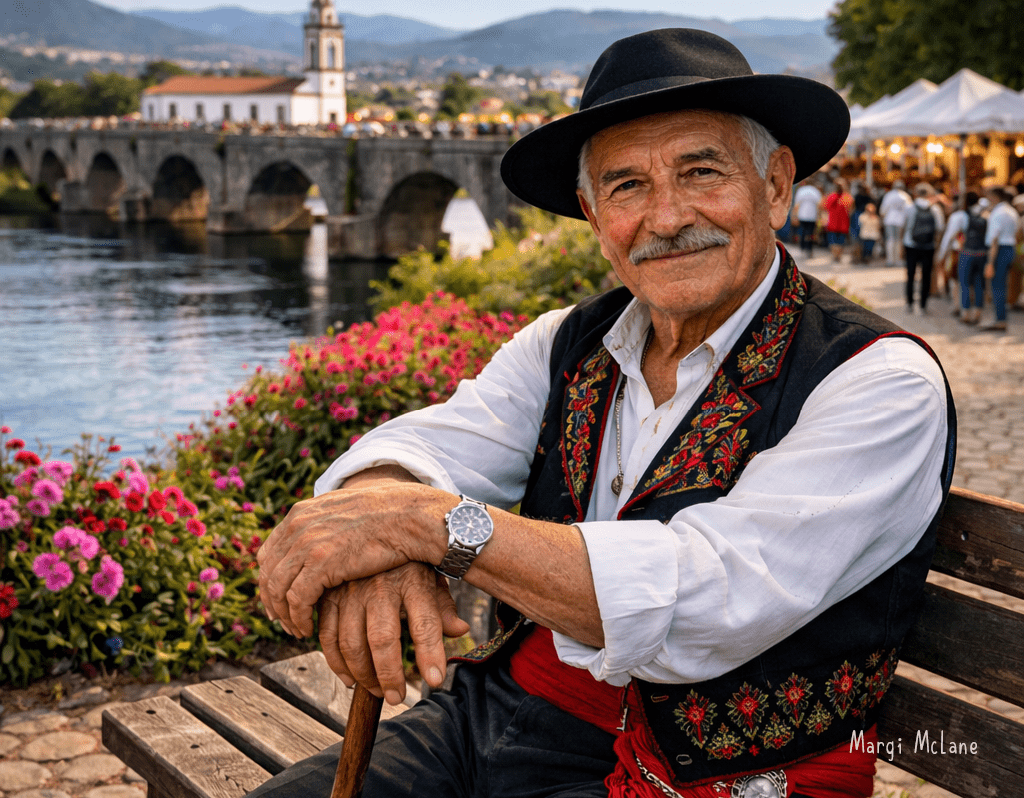
Ponte de Lima comes alive during festival season, when music, parades, traditional costumes, and local food bring the town’s cultural traditions into full view. As in much of Minho, Vinho Verde remains part of the surrounding rural landscape and agricultural identity. The Lima Valley is especially known for Loureiro, an aromatic white grape that thrives in the region’s granite soils and Atlantic-influenced climate, producing fresh, floral wines with bright acidity.
Feiras Novas
Feiras Novas is Ponte de Lima’s largest and most important annual festival, held each September. Dating back to 1826 and honoring Our Lady of Sorrows, it fills the town with folk dancing, brass bands, fireworks, parades, and traditional singing. Horse fairs and equestrian events, long tied to Ponte de Lima’s rural traditions, also play an important role in the celebrations. Often described as one of Portugal’s greatest celebrations of popular culture, Feiras Novas offers a vivid expression of Minho’s deep-rooted traditions and strong sense of community.
International Garden Festival
From May to October, the International Garden Festival transforms the riverfront into a showcase of landscape design and artistic creativity. Each year, new garden installations by international designers bring a contemporary contrast to Ponte de Lima’s ancient heritage.